To strengthen women's and communities' capacity to anticipate, withstand, and recover from climate-related shocks by implementing sustainable, nature-based solutions and promoting empowered leadership in resource management.
To ensure women and girls have access to quality, dignified Sexual Reproductive Health Rights (SRHR) services and mental health and psychosocial support (MHPSS), reducing mortality and morbidity.
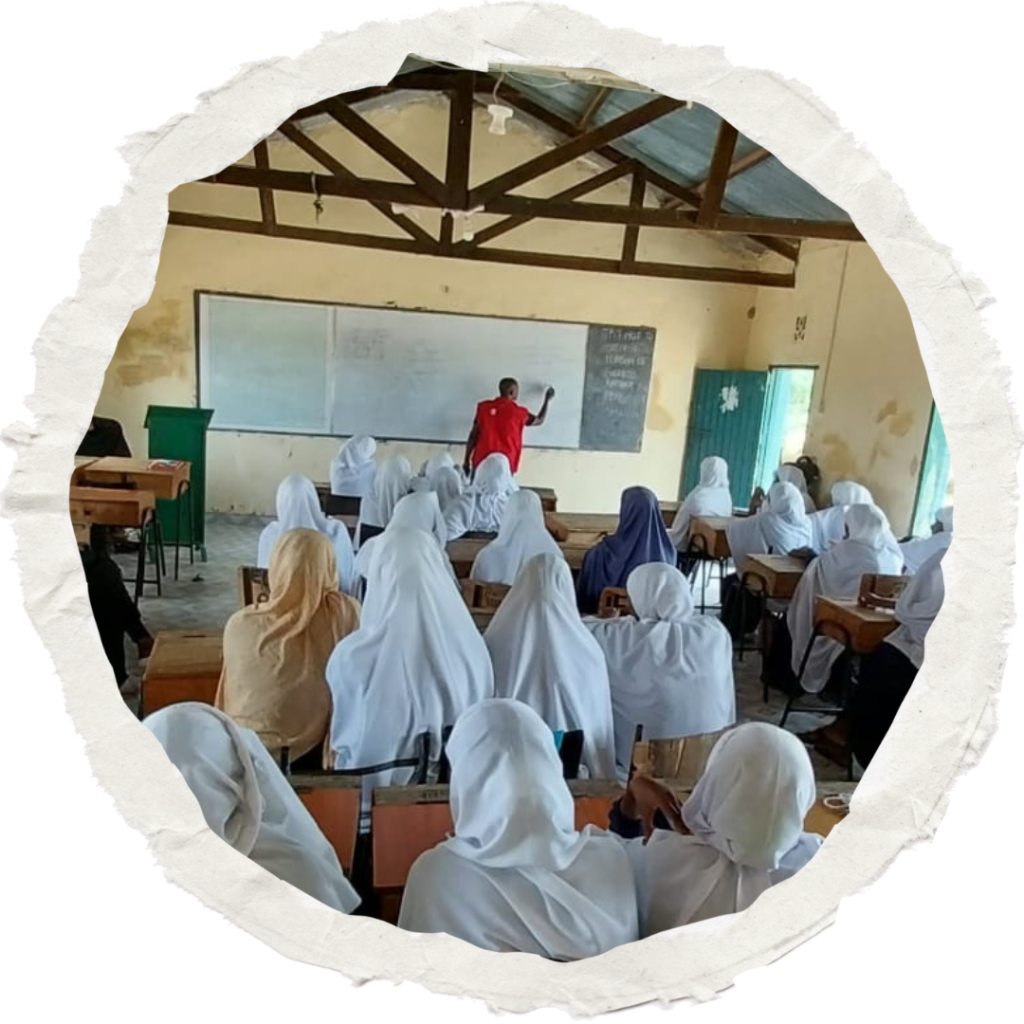
To increase enrollment, retention, and completion rates for girls in early childhood and primary education, and to provide foundational literacy and life skills for out-of-school girls.
To prevent and respond to all forms of Gender-Based Violence and child abuse, and to strengthen community-based protection systems.
A just and resilient society in which women and girls actively serve as agents of peace, protection, and sustainable development.
To empower women, girls, and youth to transform communities through advocacy, peacebuilding, education, and sustainable livelihoods.
These are the non-negotiable beliefs and ethical standards that guide all our actions and decisions.
We actively challenge patriarchal power structures and are committed to centering the voices, agency, and leadership of women and girls in all their diversity. We practice what we preach through our own women-led governance.
We embody "I am because we are." Our programs are co-designed and driven by the community. We work with, not for, communities, respecting local knowledge and fostering collective ownership and responsibility.
We recognize that women and girls experience discrimination and vulnerability in layered ways based on factors like age, disability, ethnicity, and class. Our programs are designed to address these overlapping identities and ensure no one is left behind.
These are the primary methodologies and strategies we use to implement our programs.
We deliberately break down silos. Our program teams work collaboratively to design interventions that address multiple needs simultaneously. For example, a single project might combine climate-smart agriculture (Livelihood/Resilience), Village Savings and Loans (Economic Empowerment), and dialogues on land rights (Governance/Peacebuilding).
We invest in long-term, sustainable change by strengthening existing community structures (e.g., women's groups, local councils) and linking them to formal systems. We focus on transferring skills and knowledge, not just delivering services
All our staff and programs are trained to recognize, respond to, and support survivors of trauma, conflict, and GBV. We ensure that our spaces and interactions are safe, supportive, and prioritize the choice and agency of the survivor.
In our peace-building work, we specifically train, mandate, and support women to act as mediators in formal and informal conflict resolution processes, particularly around resource-based conflicts, leveraging their unique positions and perspectives within communities.
We go beyond service delivery to address root causes. We support women to advocate for their rights and build collective power. We amplify community voices to influence local and national policies on issues from land rights to GBV response.
We operate in complex and volatile contexts. Therefore, we remain flexible, continuously learn from our work and the environment, and are willing to adapt our strategies. We embrace innovation—both technological and social—to solve persistent challenges.
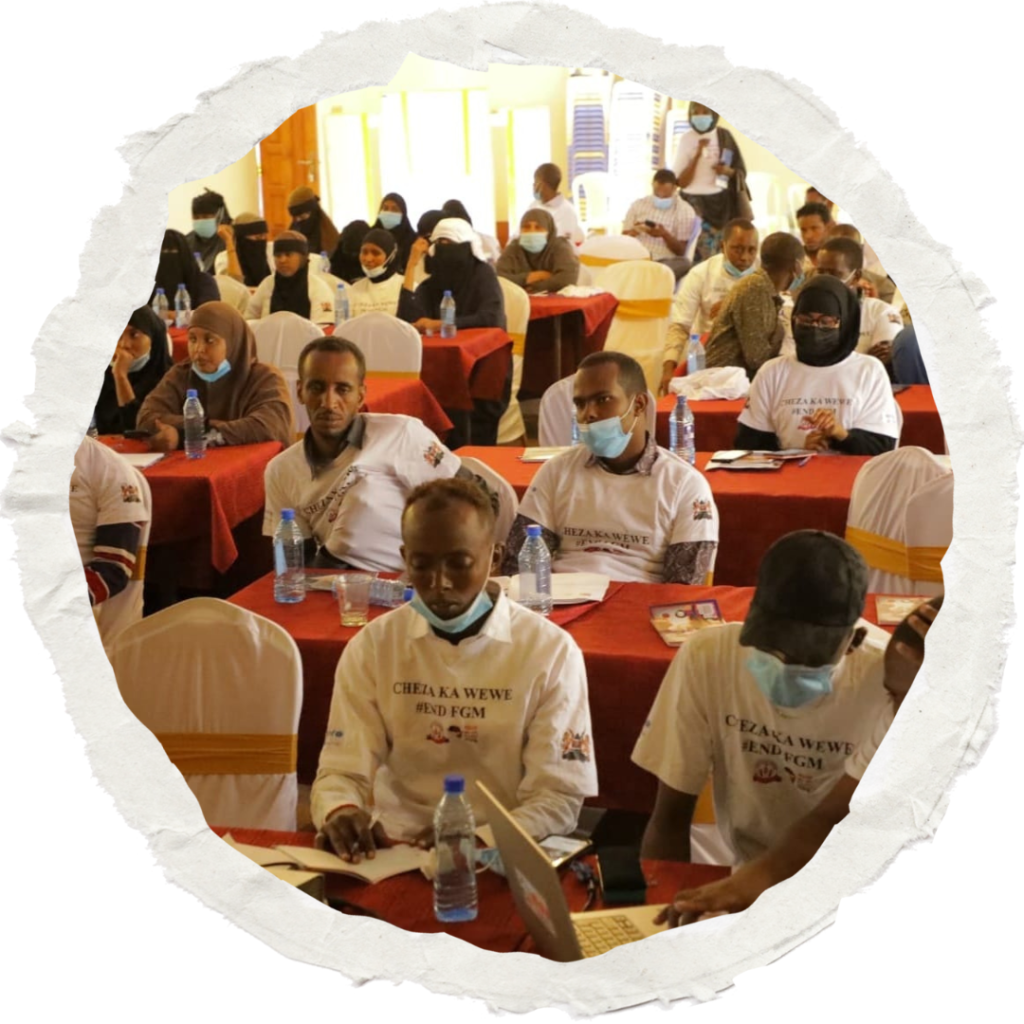
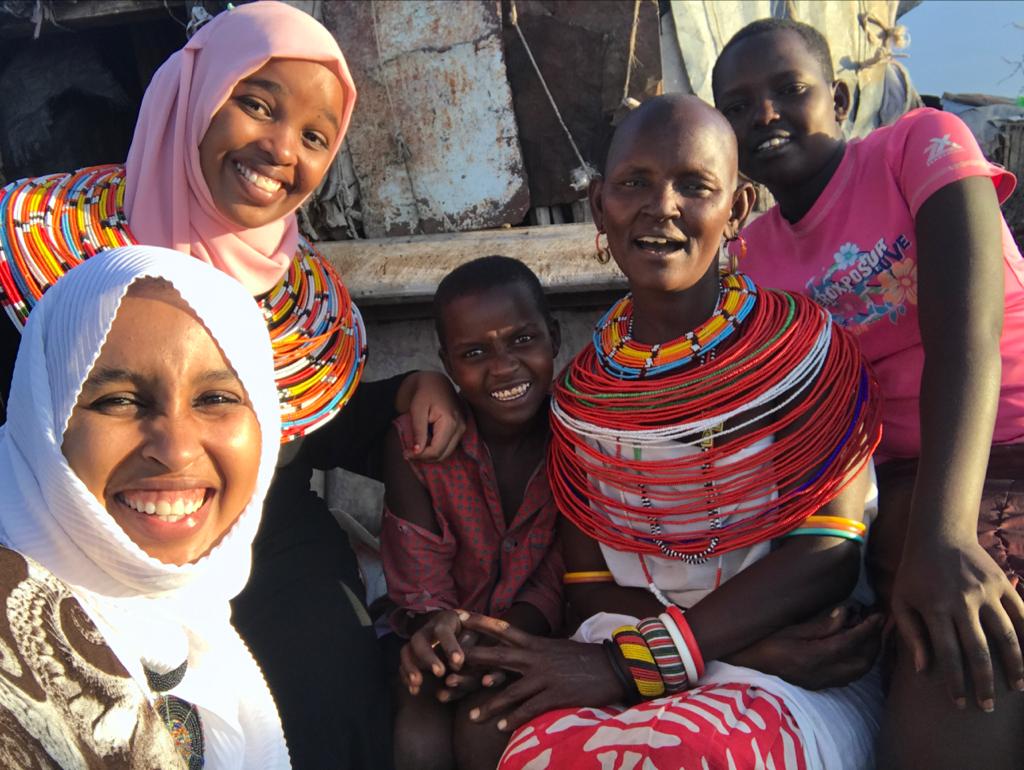
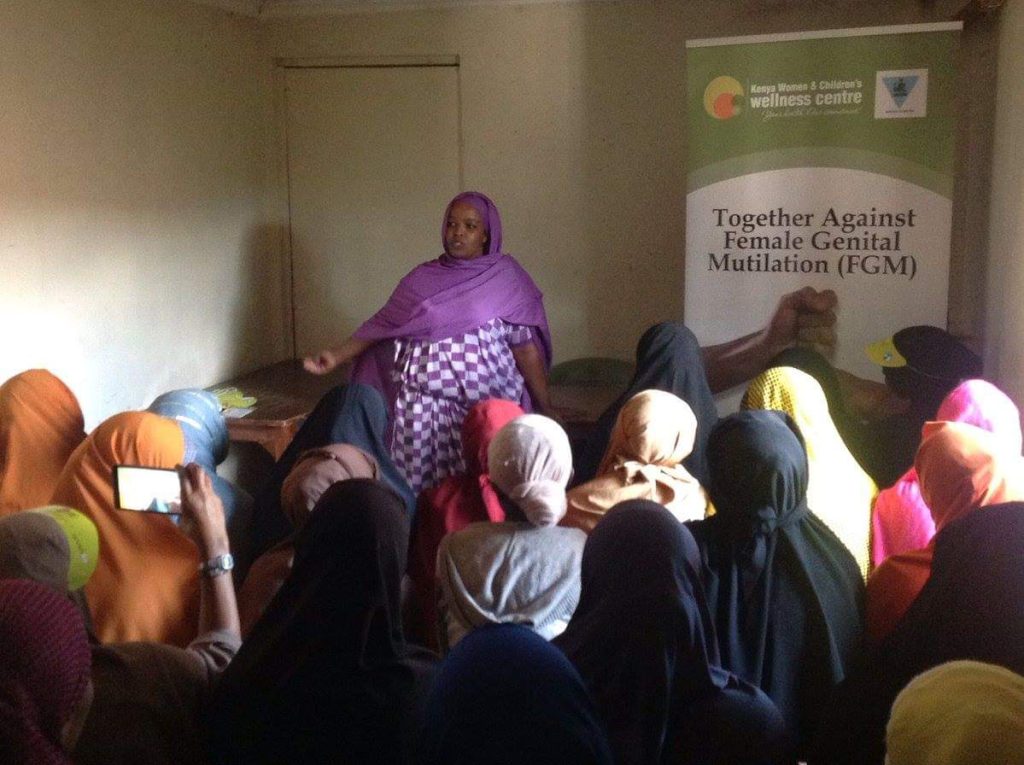
SEA places women and girls at the center of all its interventions, recognizing them as both rights holders and key agents of transformation. The organization prioritizes survivors of Gender-Based Violence (GBV) and Female Genital Mutilation/Cutting (FGM/C), providing access to psychosocial support, legal aid, health services, and livelihood opportunities.
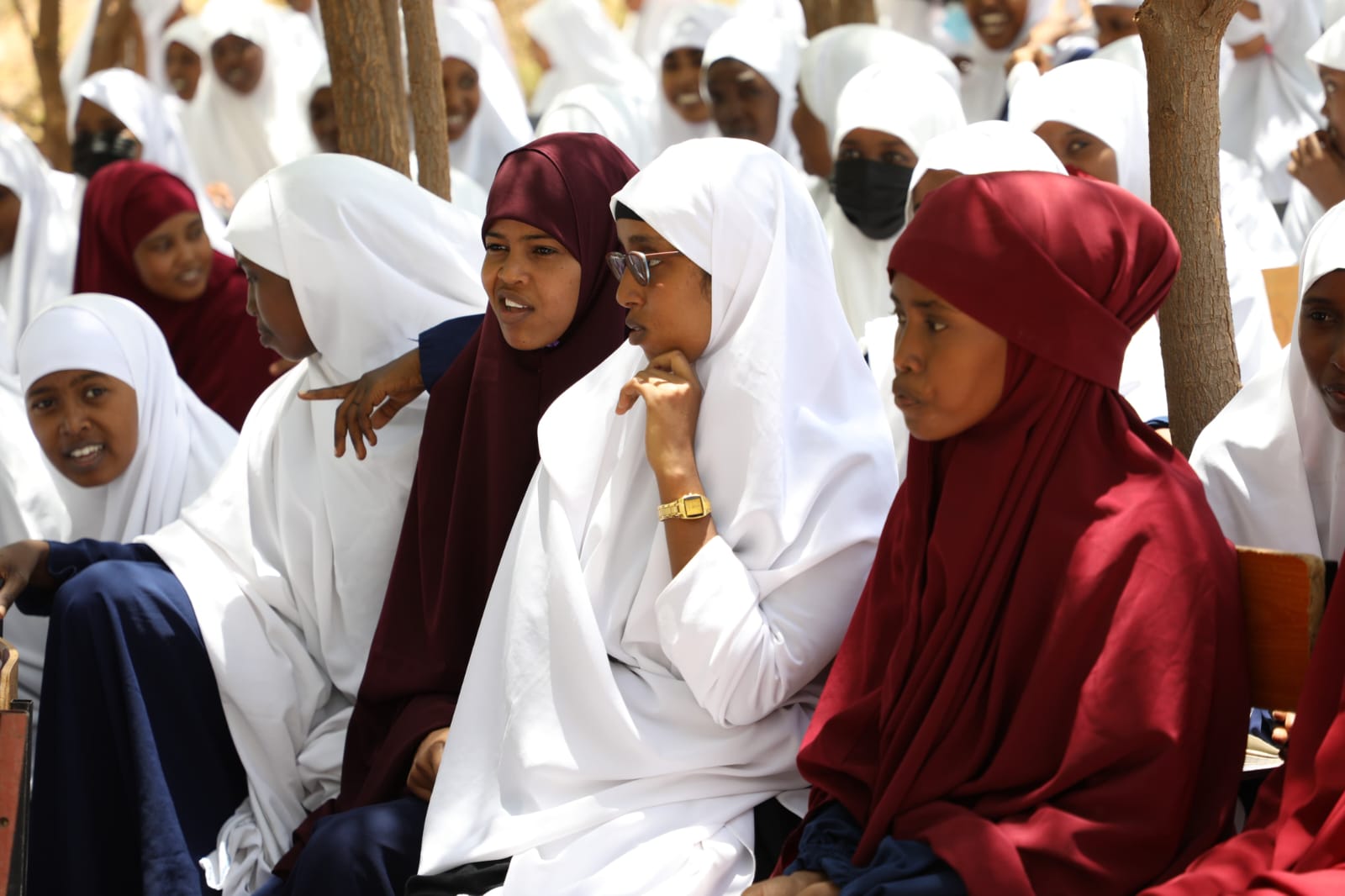
SEA invests in the future of children and young people by ensuring that every child, especially girls, has access to quality education, protection, and leadership opportunities. The organization implements scholarship programs, mentorship networks, and life skills training to improve retention and completion rates for girls in school.
SEA acknowledges that Persons with Disabilities face layered discrimination and exclusion from education, employment, and decision-making spaces. Originally founded as Community Disability Concern (CDC), SEA continues to champion disability inclusion by promoting access to essential services, adaptive livelihood opportunities, and inclusive governance.
SEA combines humanitarian response with long-term development approaches to ensure that women, girls, and vulnerable communities have equal opportunities to thrive.Â
Copyright © 2025 SEA-Kenya. Designed by fiindesigns